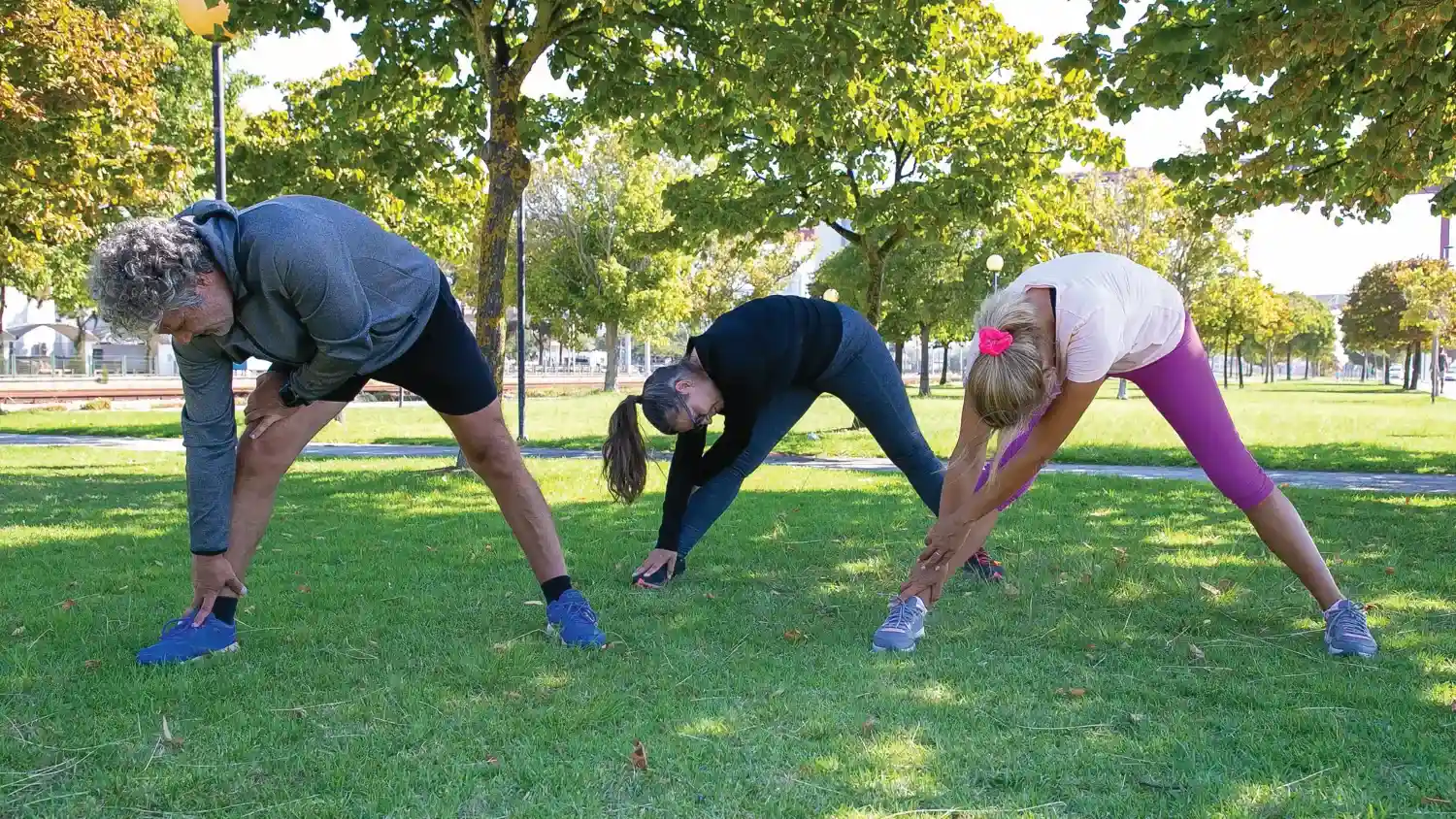
Whether you’re a beginner stepping into the gym for the first time or a seasoned athlete, warm-up and cool-down exercises are your secret weapons for maximizing performance and preventing injury. Unfortunately, many gym-goers skip these crucial steps in the rush to lift heavy or finish fast.
In this ultimate guide, we’ll explore why proper warm-ups and cool-downs matter, how to do them effectively, and how they fit into the ever-evolving world of fitness and gym workouts.
At Fit Life Arena, we believe that smart training starts and ends with smart movement – and that begins with your warm-up and cool-down routine.
What Are Warm-Up and Cool-Down Exercises?
Warm-up exercises are gentle physical activities designed to increase your heart rate, loosen your muscles, and prepare your body for intense physical exertion. They act as a bridge between rest and activity.
Cool-down exercises, on the other hand, are light movements and stretches done after your workout to help your body gradually transition back to a resting state, promoting recovery and reducing stiffness.
Both are essential phases of an effective workout, just as important as the main exercise session itself.
Importance of Warm-Up Before a Workout
Skipping your warm-up is like starting your car in winter and driving off immediately – inefficient and risky.
Here’s why warming up is non-negotiable:
- Increases blood flow: Gradually elevates your heart rate, sending more oxygen to your muscles.
- Enhances flexibility: Muscles become more pliable, reducing the risk of strains and sprains.
- Prepares joints: Activates synovial fluid, ensuring smoother joint movement.
- Improves coordination: Prepares your nervous system for the movement patterns ahead.
- Boosts performance: Enhances your strength, speed, and endurance during the workout.
A good warm-up primes your body and mind – setting you up for success.
Benefits of Cooling Down After Exercise
Just as warming up prepares your body for activity, cooling down prepares it for rest. Skipping a cool-down can lead to dizziness, muscle soreness, and longer recovery times.
Top Benefits of a Proper Cool-Down:
- Gradual heart rate recovery: Brings your pulse and blood pressure back to normal safely.
- Lactic acid reduction: Prevents muscle tightness and post-workout cramps.
- Enhanced flexibility: Muscles stretch better when they’re still warm.
- Improved relaxation: Helps your mind transition from intensity to calm.
- Reduced soreness: Aids in faster recovery and readiness for your next workout.
Types of Warm-Up Exercises
Warm-ups can be categorized into two main types – general and specific warm-ups. Both play vital roles depending on your workout routine.
1. General Warm-Up
Involves light, full-body movements to raise your heart rate and body temperature.
- Jogging or brisk walking
- Jumping jacks
- Arm circles
- Skipping rope
- Bodyweight squats
Specific Warm-Up
Targets muscles or movements used in your main workout.
- Push-up holds (for chest/arms)
- Light deadlifts (for posterior chain)
- Dynamic lunges (for legs)
- Resistance band pull-aparts (for back/shoulders)
Dynamic Warm-Up
A popular trend in modern fitness, dynamic stretching combines movement with muscle activation – ideal for the ever-evolving gym workouts that emphasize mobility and strength.
Examples:
- High knees
- Walking lunges
- Hip circles
- Arm swings
- Torso rotations
Types of Cool-Down Exercises
After your workout, you should focus on slow, controlled movements to relax your muscles and bring your breathing back to normal.
1. Light Cardio Cool-Down
- Walking for 5–10 minutes
- Slow stationary cycling
- Gentle rowing
2. Static Stretching
Hold each stretch for 15–30 seconds to enhance flexibility and prevent tightness.
Key stretches include:
- Hamstring stretch
- Quadriceps stretch
- Shoulder stretch
- Triceps stretch
- Calf stretch
3. Deep Breathing and Relaxation
This step helps regulate oxygen flow and promotes mental calmness.
- Deep belly breathing
- Box breathing (inhale for 4s, hold 4s, exhale 4s, hold 4s)
- Mindful relaxation
Step-by-Step Warm-Up Routine (Example Plan)
Here’s a quick 10-minute warm-up plan you can use before any gym session:
| Time | Exercise | Focus |
|---|---|---|
| 1–2 min | Light jogging or brisk walking | Increase heart rate |
| 2–4 min | Arm circles & leg swings | Joint mobility |
| 4–6 min | Dynamic lunges & high knees | Muscle activation |
| 6–8 min | Jump squats or push-ups | Full-body engagement |
| 8–10 min | Shoulder rolls & deep breathing | Mind-body connection |
This plan ensures your body is fully prepped for strength training, cardio, or even functional fitness workouts.
Step-by-Step Cool-Down Routine (Example Plan)
After your workout, spend 8–10 minutes cooling down with this plan:
| Time | Exercise | Focus |
|---|---|---|
| 1–3 min | Slow walking or cycling | Lower heart rate |
| 3–6 min | Static stretching (legs, arms, back) | Muscle recovery |
| 6–8 min | Deep breathing & meditation | Relaxation |
Pro Tip: Pair your cool-down with soothing music – it helps signal your brain that the workout phase is over.
Common Mistakes to Avoid
Even experienced gym enthusiasts make these errors:
- Skipping warm-ups completely – Leads to muscle stiffness and injury risk.
- Overstretching before workout – Can weaken muscle performance temporarily.
- Rushing the cool-down – Prevents proper recovery and flexibility.
- Doing static stretches before exercise – Save these for after your workout.
- Ignoring breathing – Proper oxygen flow is crucial in both warm-up and cool-down.
Remember, consistency matters more than duration – a short but focused routine can make a huge difference.
Ever-Evolving Gym Workouts and Their Impact on Warm-Up & Cool-Down
Modern fitness is constantly evolving – from HIIT and CrossFit to functional training and mobility workouts. As these training styles diversify, so must your warm-up and cool-down strategies.
For example:
- HIIT sessions demand dynamic, high-energy warm-ups to prepare for explosive movements.
- Strength training benefits from mobility-focused activation routines for specific muscle groups.
- Yoga or Pilates require slower, mindful warm-ups emphasizing breath and flexibility.
At Fit Life Arena, we emphasize integrating warm-up and cool-down techniques tailored to your workout type, ensuring long-term progress and injury prevention in today’s ever-evolving fitness landscape.
Conclusion
A great workout doesn’t start with the first rep – it starts with the first warm-up move. And it doesn’t end with the last set – it ends with the final cool-down stretch.
These two phases are the foundation of safe, effective, and sustainable training. By giving your body the care it deserves before and after exercise, you’ll perform better, recover faster, and stay motivated longer.
At Fit Life Arena, we champion balanced fitness – where preparation and recovery go hand-in-hand with performance. So, the next time you hit the gym, remember: your warm-up and cool-down are just as important as the workout itself.
FAQs
How long should a warm-up last before a workout?
Ideally, your warm-up should last 8 to 12 minutes, depending on the intensity of your workout. The goal is to raise your heart rate and lightly activate your muscles.
What’s the best type of warm-up for strength training?
A dynamic warm-up with light mobility work and bodyweight movements (like squats, push-ups, and lunges) prepares your muscles for heavy lifting.
Can I skip the cool-down if I’m short on time?
It’s not recommended. Even a 5-minute light walk and stretch can significantly aid recovery and prevent dizziness or stiffness.
Should I stretch before or after a workout?
Stretch after your workout. Static stretches before exercise can reduce power output, while post-workout stretching improves flexibility and recovery.
How often should I change my warm-up or cool-down routine?
Every 6–8 weeks is a good time to reassess your routine, especially if your workout program evolves. Adjust your warm-up to fit new exercises or training goals.
Do warm-ups help with muscle growth?
Indirectly, yes. Proper warm-ups enhance muscle performance and range of motion, allowing better workouts that lead to muscle growth over time.