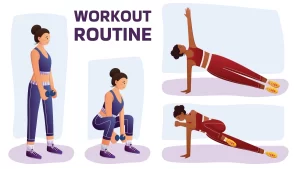
When it comes to burning fat efficiently, two forms of cardio dominate fitness discussions – High-Intensity Interval Training (HIIT) and Steady-State Cardio (SSC). Each has its loyal followers and unique benefits. But the burning question remains: which one is better for fat loss?
This article breaks down the key differences between the two, explores their pros and cons, and helps you decide which fits best in your fitness journey. Whether you’re a beginner or a seasoned athlete, Fit Life Arena brings you a clear, research-backed comparison to optimize your ever-evolving exercise routine.
Understanding the Basics: What Is HIIT and Steady-State Cardio?
Before comparing them, it’s important to understand what each workout type involves.
What Is HIIT?
High-Intensity Interval Training (HIIT) alternates between short bursts of intense exercise and brief recovery periods. A typical session might include 20–40 seconds of maximum effort followed by 10–20 seconds of rest, repeated over 15–30 minutes.
Examples:
- Sprinting for 30 seconds, then walking for 30 seconds
- Jump squats followed by rest periods
- Tabata workouts (20 seconds on, 10 seconds off, for 4 minutes per set)
What Is Steady-State Cardio?
Steady-State Cardio (SSC) involves maintaining a consistent intensity over a longer duration – typically 30–60 minutes. You work at a moderate level where you can sustain your effort and hold a conversation without gasping for air.
Examples:
- Jogging or brisk walking
- Cycling at a steady pace
- Swimming laps at a moderate speed
How HIIT Works for Fat Loss
HIIT is a time-efficient fat-burning strategy. Its secret weapon lies in the afterburn effect, scientifically known as EPOC (Excess Post-Exercise Oxygen Consumption).
Key Mechanisms:
- Elevated Heart Rate: Pushes your cardiovascular system to the max, boosting calorie expenditure even after your workout ends.
- Increased Metabolism: HIIT stimulates your metabolism for hours post-exercise.
- Muscle Preservation: Unlike long-duration cardio, HIIT helps preserve lean muscle mass while targeting fat stores.
- Hormonal Benefits: Boosts growth hormone and adrenaline, which enhance fat breakdown.
Benefits of HIIT for Fat Loss:
- Burns more calories in less time
- Enhances metabolism post-workout
- Builds endurance and strength simultaneously
- Convenient for busy schedules
Sample 20-Minute HIIT Workout:
- Jump Squats – 30 sec
- Rest – 15 sec
- Mountain Climbers – 30 sec
- Rest – 15 sec
- Burpees – 30 sec
- Rest – 15 sec
- High Knees – 30 sec
- Rest – 15 sec
(Repeat 3–4 rounds)
How Steady-State Cardio Works for Fat Loss
Steady-State Cardio burns calories through sustained effort at a moderate intensity. It primarily relies on the aerobic energy system, using oxygen to convert fat and carbohydrates into fuel.
Key Mechanisms:
- Longer Duration, Lower Intensity: Keeps your heart rate at 60–70% of your max.
- Fat as Fuel: Encourages the body to use fat as the main energy source.
- Improved Endurance: Trains your cardiovascular system to perform better over time.
Benefits of Steady-State Cardio for Fat Loss:
- Easier for beginners
- Low risk of injury
- Enhances stamina and cardiovascular health
- Great for active recovery days
Example Routine:
- 45-minute brisk walk
- 30-minute steady cycling
- 40-minute light jog
Comparing HIIT vs. Steady-State Cardio
| Aspect | HIIT | Steady-State Cardio |
|---|---|---|
| Duration | 15–30 minutes | 30–60 minutes |
| Intensity | High (80–95% HR max) | Moderate (60–70% HR max) |
| Calories Burned (During Workout) | Moderate to high | Moderate |
| Calories Burned (After Workout) | High (EPOC effect) | Low |
| Muscle Retention | High | Moderate |
| Injury Risk | Higher if form is poor | Low |
| Best For | Time-efficient fat loss, athletic performance | Endurance, beginners, steady progress |
In short:
- HIIT = Fast results, more intensity, efficient fat burn
- Steady-State Cardio = Sustainable, low-impact, ideal for consistency
Scientific Insights: What Research Says
Research consistently supports both forms of cardio for fat loss, depending on your fitness level and goals.
- A study in the Journal of Obesity found that HIIT burns 25–30% more calories in less time than moderate-intensity exercise.
- Meanwhile, the American Heart Association highlights that steady-state cardio enhances heart health and reduces stress levels.
- Meta-analyses show that both methods produce similar fat loss results over time, but HIIT improves insulin sensitivity and VO₂ max more effectively.
So, the winner depends on your preference, consistency, and recovery ability.
Choosing the Right Cardio for You
Your perfect cardio style depends on your goals, time, and fitness level.
Choose HIIT if:
- You have limited time.
- You want to burn maximum calories fast.
- You enjoy challenging workouts.
- You want to preserve or build lean muscle.
Choose Steady-State Cardio if:
- You’re a beginner or recovering from injury.
- You prefer low-impact workouts.
- You’re focusing on endurance and heart health.
- You find it easier to stay consistent with longer, calmer sessions.
You can even combine both – alternating between HIIT days and steady-state days to prevent burnout and keep your exercise routine dynamic.
The Role of Nutrition and Recovery
No cardio method can outwork a poor diet. Fat loss depends primarily on creating a caloric deficit – burning more calories than you consume.
Nutrition Tips for Fat Loss:
- Prioritize lean protein (chicken, eggs, tofu, legumes).
- Include healthy fats (avocado, nuts, olive oil).
- Choose complex carbs (oats, brown rice, quinoa).
- Stay hydrated and limit processed foods.
Recovery Tips:
- Sleep 7–9 hours per night.
- Stretch or do yoga after workouts.
- Alternate high-intensity days with active recovery (like walking or light yoga).
As Fit Life Arena emphasizes, a balanced approach combining proper nutrition, progressive training, and rest is the key to lasting fat loss and an ever-evolving exercise routine.
Ever-Evolving Exercise Routine: Blending Both Approaches
Fitness is not static – it’s an ever-evolving process. The best approach is to blend HIIT and steady-state cardio to keep your body challenged and avoid plateaus.
Sample Weekly Routine:
| Day | Workout Type | Example |
|---|---|---|
| Monday | HIIT | 20-min sprint intervals |
| Tuesday | Steady-State | 45-min brisk walk |
| Wednesday | Active Recovery | Yoga or stretching |
| Thursday | HIIT | Circuit training or Tabata |
| Friday | Steady-State | Cycling or swimming |
| Saturday | Strength Training | Full-body workout |
| Sunday | Rest | Gentle stretching |
This hybrid plan enhances fat loss, supports muscle preservation, and ensures you stay motivated through variety.
Common Mistakes to Avoid
1. Overtraining
Doing HIIT every day can lead to fatigue and muscle loss. Balance intensity with recovery.
2. Ignoring Nutrition
Cardio without a proper diet leads to minimal results. Track your food intake.
3. Neglecting Strength Training
Cardio burns fat, but muscle helps maintain a faster metabolism. Include resistance workouts.
4. Lack of Consistency
Jumping between programs too often prevents progress. Stick to your plan for at least 6–8 weeks.
Conclusion
So, which is better for fat loss – HIIT or Steady-State Cardio?
The truth: both work, but in different ways.
- HIIT is excellent for quick, efficient fat burn and maintaining lean muscle.
- Steady-State Cardio is ideal for long-term endurance, stress reduction, and sustainability.
The best results come from a balanced combination of both, tailored to your lifestyle and goals. Stay consistent, fuel your body right, and keep your exercise routine ever-evolving – that’s the real formula for lasting fat loss.
FAQs
Can I do both HIIT and steady-state cardio in the same week?
Yes! Combining both maximizes fat loss, endurance, and muscle preservation. Just ensure you allow proper recovery between sessions.
How many times per week should I do HIIT for fat loss?
2–3 sessions per week are sufficient. Overdoing it can lead to burnout or injury.
Which burns more calories – HIIT or steady-state cardio?
HIIT burns more calories in a shorter time and continues burning after your workout (EPOC effect). However, steady-state cardio can burn more overall calories if done longer.
Is HIIT suitable for beginners?
Beginners can try low-impact HIIT (like cycling intervals or modified bodyweight moves). Start slow and gradually increase intensity.
Does steady-state cardio cause muscle loss?
Not necessarily. As long as you maintain a balanced diet with enough protein and include strength training, muscle loss is minimal.
How long before I see fat loss results?
With consistent training, balanced nutrition, and rest, visible results can appear within 4–8 weeks depending on your starting point.