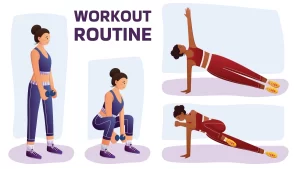
Increasing flexibility is essential not only for athletes but for anyone looking to maintain a healthy, active lifestyle. Stretching exercises are a cornerstone of physical wellness, enhancing mobility, reducing the risk of injury, and improving overall posture. This guide will cover the best stretching exercises to improve flexibility, provide a practical routine, and answer frequently asked questions about stretching.
Why Flexibility Matters
Flexibility is the ability of your joints and muscles to move through their full range of motion. Good flexibility enhances performance in physical activities, prevents injuries, and promotes better posture. While some people are naturally more flexible, stretching exercises can significantly improve mobility over time.
At Fit Life Arena, we believe in creating ever-evolving exercise routines that adapt to your progress, making flexibility training a part of your daily life.
Types of Stretching Exercises
Understanding the types of stretches is crucial to designing an effective flexibility routine.
Static Stretching
Static stretches involve holding a position for a set amount of time, usually 15–60 seconds. This type of stretching helps increase the length of muscles and improve overall flexibility. Examples include the hamstring stretch and the seated forward fold.
Dynamic Stretching
Dynamic stretches involve controlled movements that gently take your joints and muscles through their full range of motion. Leg swings, arm circles, and walking lunges are common examples. Dynamic stretching is ideal as a warm-up before workouts.
PNF Stretching
Proprioceptive Neuromuscular Facilitation (PNF) involves stretching a muscle, contracting it against resistance, and then stretching it further. This advanced technique can significantly improve flexibility but is best done under guidance initially.
Ballistic Stretching
Ballistic stretching uses bouncing or jerking movements to push muscles beyond their usual range. While it can increase flexibility, it carries a higher risk of injury and is usually recommended for trained athletes only.
Benefits of Stretching Exercises
Stretching exercises provide a wide range of benefits:
- Improved Flexibility: Enhances joint mobility and muscle elasticity.
- Reduced Muscle Stiffness: Prevents soreness and tightness.
- Better Posture: Helps balance muscle tension for proper alignment.
- Enhanced Athletic Performance: Improves movement efficiency and power.
- Stress Relief: Relaxing stretches can reduce tension and improve mental well-being.
- Injury Prevention: Loosens muscles, reducing the risk of strains and sprains.
Best Stretching Exercises to Improve Flexibility
Here are some of the most effective stretches for different parts of the body:
Neck and Shoulder Stretches
- Neck Tilt: Gently tilt your head toward each shoulder, holding for 20–30 seconds.
- Shoulder Rolls: Roll shoulders forward and backward in slow, controlled motions.
- Cross-Body Shoulder Stretch: Pull one arm across your chest and hold it with the other arm.
Upper Body Stretches
- Chest Stretch: Place hands behind your back and gently lift, opening your chest.
- Triceps Stretch: Raise one arm overhead and bend the elbow, using the other hand to press gently.
- Upper Back Stretch: Clasp hands in front and push forward, rounding your upper back.
Lower Body Stretches
- Hamstring Stretch: Sit on the floor and reach for your toes, keeping legs straight.
- Quad Stretch: Stand and pull one foot toward your glutes, keeping knees aligned.
- Calf Stretch: Lean against a wall with one leg back, pressing the heel into the ground.
- Hip Flexor Stretch: Step one leg forward into a lunge, pushing hips gently forward.
Full-Body Stretching Routine
A combination of upper and lower body stretches can create a full-body flexibility routine:
- Neck tilt (20 seconds per side)
- Shoulder rolls (10 forward, 10 backward)
- Chest stretch (30 seconds)
- Seated hamstring stretch (30 seconds per leg)
- Quad stretch (30 seconds per leg)
- Hip flexor lunge (30 seconds per side)
- Cat-Cow pose (10 repetitions)
- Forward fold (30 seconds)
Incorporating these stretches 3–4 times per week can improve your flexibility and overall mobility over time.
How to Create an Ever-Evolving Stretching Routine
Flexibility improves progressively, so it’s essential to adapt your stretching routine regularly:
- Increase Duration Gradually: Hold stretches for longer as your muscles adapt.
- Add Variety: Incorporate different stretches for each muscle group.
- Track Progress: Note improvements in range of motion to adjust intensity.
- Integrate with Workouts: Combine stretching with yoga, strength training, or cardio.
At Fit Life Arena, we recommend periodically updating your routine to challenge muscles and prevent stagnation. This ensures continuous flexibility improvement.
Tips for Safe and Effective Stretching
- Warm-Up First: Stretching cold muscles can cause injuries. Do 5–10 minutes of light cardio first.
- Breathe Deeply: Exhale as you stretch to help muscles relax.
- Avoid Bouncing: Use slow, controlled movements to prevent strain.
- Listen to Your Body: Stretching should feel mild, not painful.
- Consistency is Key: Short daily sessions are better than occasional long stretches.
Conclusion
Improving flexibility is essential for maintaining an active, healthy lifestyle. Incorporating stretching exercises into your routine not only enhances mobility but also supports better posture, reduces stress, and minimizes the risk of injury. By creating an ever-evolving stretching routine, you can continuously challenge your muscles, track progress, and enjoy the benefits of a more flexible body.
At Fit Life Arena, we emphasize routines that adapt to your goals and progress, helping you achieve optimal flexibility safely and effectively. Start today and unlock your body’s full potential!
FAQs
How often should I stretch to improve flexibility?
Aim for 3–5 times per week, incorporating both static and dynamic stretches. Consistency is more important than duration.
Can stretching reduce muscle soreness?
Yes, stretching after workouts helps relax muscles, reduce tension, and prevent stiffness.
How long should I hold a stretch?
Hold each stretch for 15–60 seconds depending on your flexibility level and muscle group.
Can I stretch every day?
Yes, gentle daily stretching is safe and effective for improving flexibility. Avoid over-stretching sore or injured muscles.
What’s the difference between dynamic and static stretching?
Dynamic stretching involves movement and prepares muscles for activity, while static stretching involves holding a position to increase length and flexibility.
Can older adults improve flexibility?
Absolutely! Flexibility training is beneficial at any age, improving mobility, balance, and quality of life.