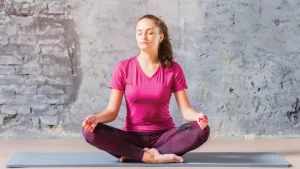
Why Morning Yoga Matters
Starting your day with a morning yoga flow is more than just a physical exercise. It sets the tone for the day, improves mental clarity, boosts energy levels, and nurtures emotional balance. For beginners, even a 15–20 minute morning session can make a profound difference.
At Fit Life Arena, we believe in integrating yoga into daily routines to enhance overall wellness. Whether you’re looking to reduce stress, improve flexibility, or simply enjoy a mindful start, a consistent morning yoga practice is key.
Benefits of a Morning Yoga Flow
Morning yoga has unique benefits that cater to both body and mind:
- Increased Flexibility: Gentle stretches release stiffness accumulated overnight.
- Enhanced Energy: Flowing through poses stimulates circulation and wakes up the body.
- Mental Clarity: Mindful movements paired with deep breathing promote focus.
- Stress Reduction: Yoga helps regulate cortisol levels, leaving you calmer.
- Boosted Metabolism: Early activity triggers digestion and metabolic functions.
For beginners, the goal is not perfection but establishing a routine that energizes and rejuvenates.
Preparing for Your Morning Yoga Practice
Before diving into poses, preparation is essential.
1. Choosing the Right Space
- Select a quiet, well-ventilated area with enough room to stretch.
- Natural light is ideal as it positively impacts mood.
- Keep your space free of distractions for better focus.
2. Essential Yoga Props for Beginners
- Yoga Mat: Provides cushioning and grip.
- Yoga Blocks: Aid in balancing and alignment.
- Strap or Towel: Helps extend reach in stretches.
- Optional: Blanket for support during seated or reclining poses.ing into poses, preparation is essential.
Step-by-Step Beginner’s Morning Yoga Flow
Here’s a beginner-friendly routine you can follow to kickstart your mornings.
1. Breathing and Warm-Up
Start with 5 minutes of mindful breathing:
- Sit comfortably with a straight spine.
- Inhale deeply through the nose, hold for 2–3 seconds, exhale slowly.
- Repeat 5–10 cycles, feeling the body wake up gradually.
Warm-up stretches:
- Neck rolls
- Shoulder shrugs
- Cat-Cow Pose (Marjaryasana-Bitilasana) to mobilize the spine
2. Key Morning Yoga Poses
2.1 Mountain Pose (Tadasana)
- Stand tall, feet together, arms by sides.
- Ground your feet, lift your chest, and lengthen your spine.
- Focus on steady breathing for 30 seconds.
2.2 Forward Fold (Uttanasana)
Hinge at your hips and fold forward.
- Keep knees soft if hamstrings are tight.
- Relax your head and neck, gently swaying side to side.
2.3 Low Lunge (Anjaneyasana)
- Step one foot forward, bend the front knee.
- Keep back leg extended and hips square.
- Reach arms overhead to stretch the torso.
2.4 Downward Dog (Adho Mukha Svanasana)
- From hands and knees, lift hips toward the ceiling.
- Press heels down and lengthen the spine.
- Pedal feet to gently stretch calves.
2.5 Seated Twist (Ardha Matsyendrasana)
- Sit with legs extended, cross one leg over the other.
- Twist gently toward the bent knee, placing opposite elbow outside.
- Keep spine straight and breathe deeply.
2.6 Child’s Pose (Balasana)
- Kneel and sit back on your heels, arms extended forward.
- Rest forehead on the mat and relax completely.
- Hold for 1–2 minutes as a closing pose.
This sequence promotes flexibility, circulation, and calmness, making it perfect for beginners.
Tips for Staying Consistent
Consistency is the key to reaping benefits from a morning yoga flow:
- Start Small: 10–15 minutes is enough for beginners.
- Set a Schedule: Practice at the same time every day.
- Listen to Your Body: Avoid pushing too hard.
- Use Guidance: Follow videos or classes from trusted sources like Fit Life Arena.
- Track Progress: Keep a journal to note improvements in flexibility and energy levels.
Common Mistakes Beginners Make
- Skipping Warm-Ups – Can lead to stiffness or injury.
- Overstretching – Pushing too far compromises form.
- Ignoring Breath – Yoga is as much about breathing as movement.
- Practicing Irregularly – Inconsistency reduces long-term benefits.
- Comparing to Others – Focus on your journey, not someone else’s.
Ever-Evolving Yoga Poses to Explore
As your practice grows, incorporate new poses to keep the flow exciting:
- Sun Salutations (Surya Namaskar) – Energizing sequence to build stamina.
- Warrior Series (Virabhadrasana I, II, III) – Strengthens legs and core.
- Bridge Pose (Setu Bandhasana) – Opens chest and improves posture.
- Seated Forward Bend (Paschimottanasana) – Deepens hamstring flexibility.
- Revolved Triangle (Parivrtta Trikonasana) – Enhances balance and spinal rotation.
These poses can gradually be added as your flexibility, strength, and confidence increase.
Conclusion
A morning yoga flow is a simple yet powerful practice to start the day with clarity, calmness, and energy. By establishing a routine with beginner-friendly poses, proper preparation, and mindful breathing, you set yourself up for long-term wellness.
At Fit Life Arena, we encourage beginners to embrace yoga at their own pace, gradually incorporating more challenging poses over time. Remember, consistency and mindfulness matter more than perfection.
FAQs
How long should a beginner morning yoga session last?
Start with 10–20 minutes. Gradually extend to 30–40 minutes as your stamina and flexibility improve.
Can I do morning yoga on an empty stomach?
Yes, it’s recommended to practice at least 1–2 hours after a heavy meal. A light snack like a banana is okay.
Do I need special equipment?
A yoga mat is essential. Optional props include blocks, straps, and blankets for support.
How often should beginners practice yoga?
3–5 times per week is ideal for building habit and flexibility. Daily short sessions are also effective.
Can morning yoga help with stress relief?
Absolutely. Morning yoga combined with deep breathing reduces cortisol levels, enhances focus, and promotes calmness.
How can I progress beyond beginner poses?
Gradually add more challenging poses like Sun Salutations, Warrior series, and backbends as your strength and flexibility improve.